

IV. Insights & Intelligence
Every AI Twin consumr.ai builds is assembled from the same three layers of memory, and each layer answers a different kind of question about the same audience: who they are, what they are actively looking for, and what they already think and feel out loud. Behavior Insight, Intent Insight, and Mentions Insight are not three versions of one report. They are three separate, deliberately narrow answers, and the Twin is only as trustworthy as the boundary between them.
The Three Layers
The Behavioral Layer, the Who. Sourced from social platforms (Meta, TikTok, Snapchat, Pinterest, LinkedIn, Instagram, and others), this layer maps long-term persona: the demographics, interests, and affinities an audience has built up over time. It is observed from behavior, and it changes slowly, the way a person's identity does.
The Intent Layer, the What They Think. Sourced from search engines (Google), this layer tracks short-term intent: what an audience is actively looking up right now, not what they needed last quarter. It is immediate, and it is built to expire and refresh, because demand moves faster than identity does.
The Mentions Layer, the What They Feel. Sourced from public discourse (Reddit, Amazon, YouTube, blogs, forums, reviews), this layer captures voice, sentiment, and language exactly as people used it, unprompted and already public. It answers a question neither of the other two layers can: not what someone wants, but how they feel about it.
The three layers move in one direction: from a slow, stable picture of identity, to fast-moving demand, to unfiltered public reaction. Reading them in that order (Behavior, then Intent, then Mentions) mirrors how the layers were built to work together.
Why the Twin Only Knows Three Things
consumr.ai calls this principle Bookended Memory: the Twin is restricted to the domains generated by these three layers, and nothing else. Ask it something outside that boundary and it does not guess or improvise an answer. That restriction is the reason the three reports stay separate instead of merging into one blended dashboard. Each layer is a distinct, provable domain, and blending them would blur the line between what the data actually shows and what an AI might otherwise be tempted to infer.
This is also why each report below stays narrow. Behavior Insight will not tell you what an audience is searching for this week, and Mentions Insight will not tell you who that audience is demographically. Each report is honest about the one thing it can prove.
Routes to Intelligence Reports
Behavior, Intent, and Mentions reports can each be generated through up to four standalone routes.
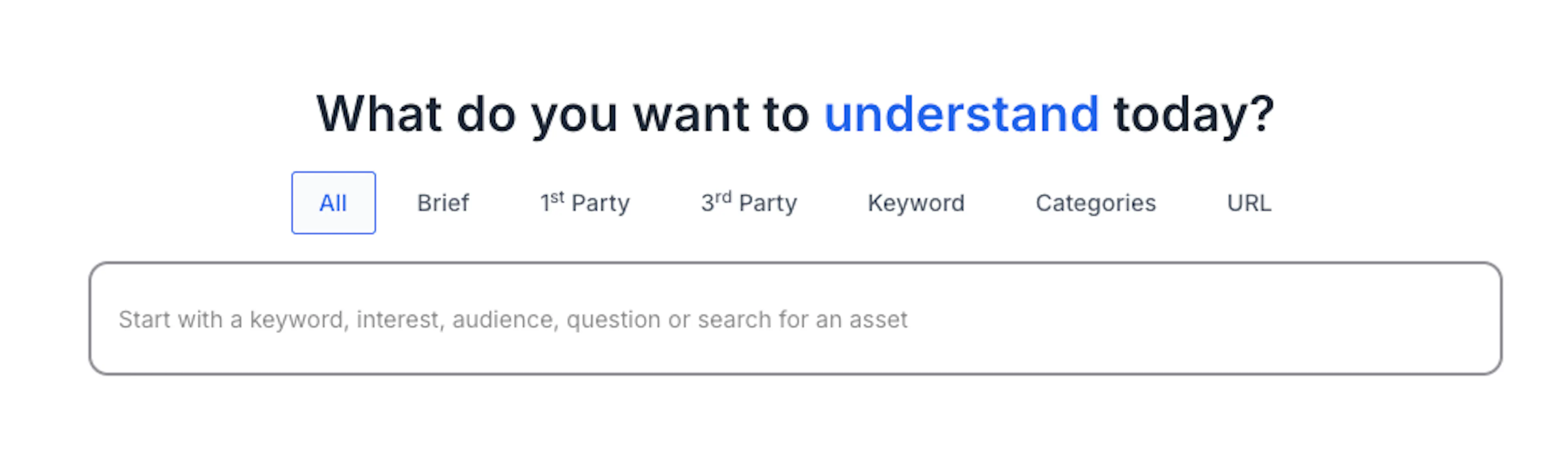
Online is the platform's default environment, and the reports it generates describe an audience or topic through everyday consumer life: general demographics, interests, and purchase behavior. It's also where audience-level tools like Overlap, Compare, and Market Finder & Sniper, letting you check two audiences against each other or surface new ones worth investigating.
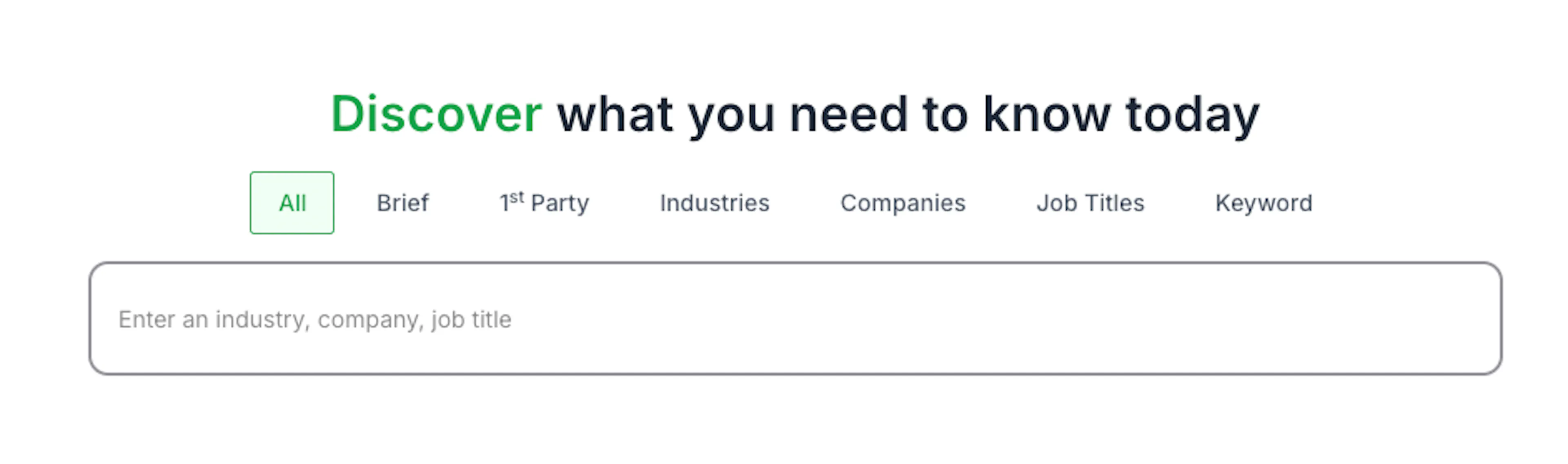
Pro produces the professional-facing version of the same report: the same population or topic read through the lens of work instead, industries, job functions, seniority, skills, organization size, titles, and years of experience. Online and Pro are not two views of one report; they answer different questions about the same underlying population or topic.
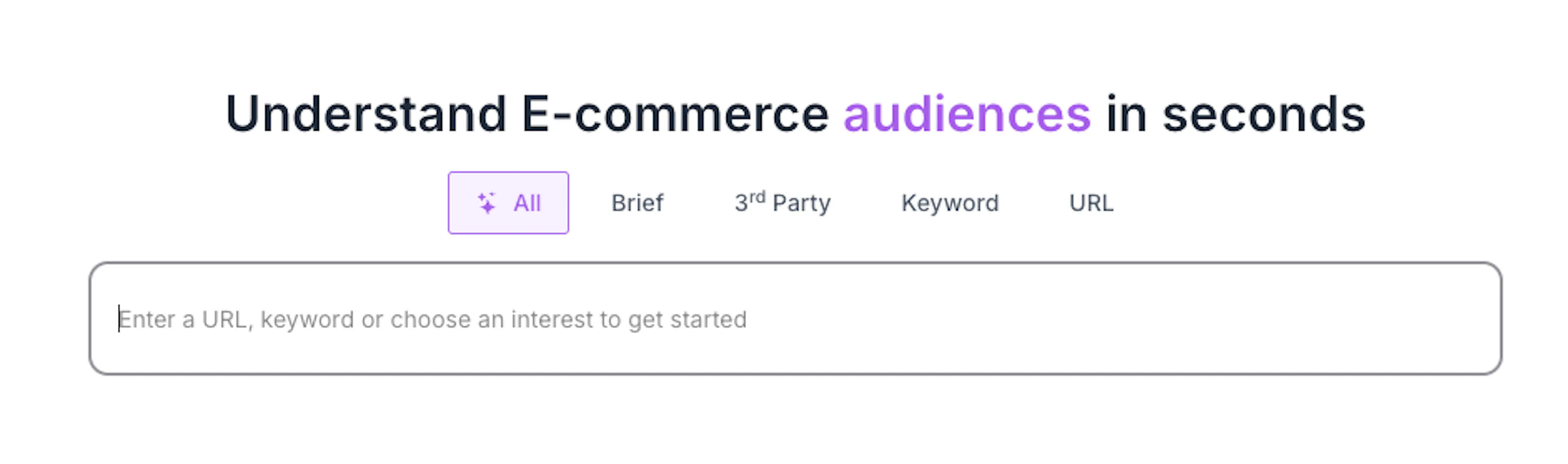
E-tail starts from a supported Amazon product URL instead of a predefined audience or topic, using the listing's product and marketplace context to develop relevant intelligence. A URL is a starting point, not proof that the resulting report represents every purchaser tied to that listing.
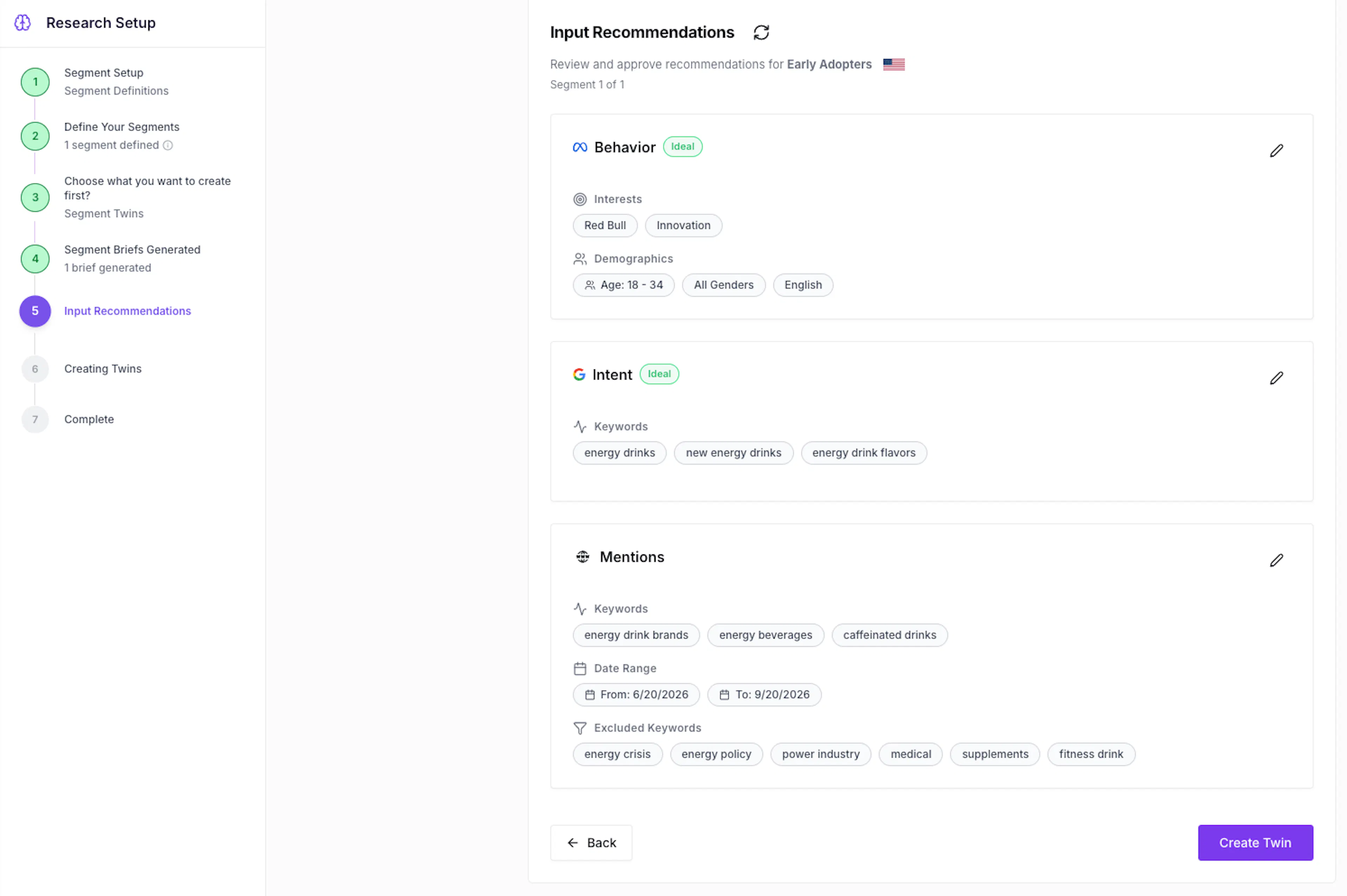
Research Setup does not add a new report type. It generates the same Online report while a Segment and AI Twin are being created, feeding directly into that Twin's Persona rather than standing alone as a deliverable.
Reading Any Report
A few tools work the same way across every report in this section, regardless of which layer it comes from:

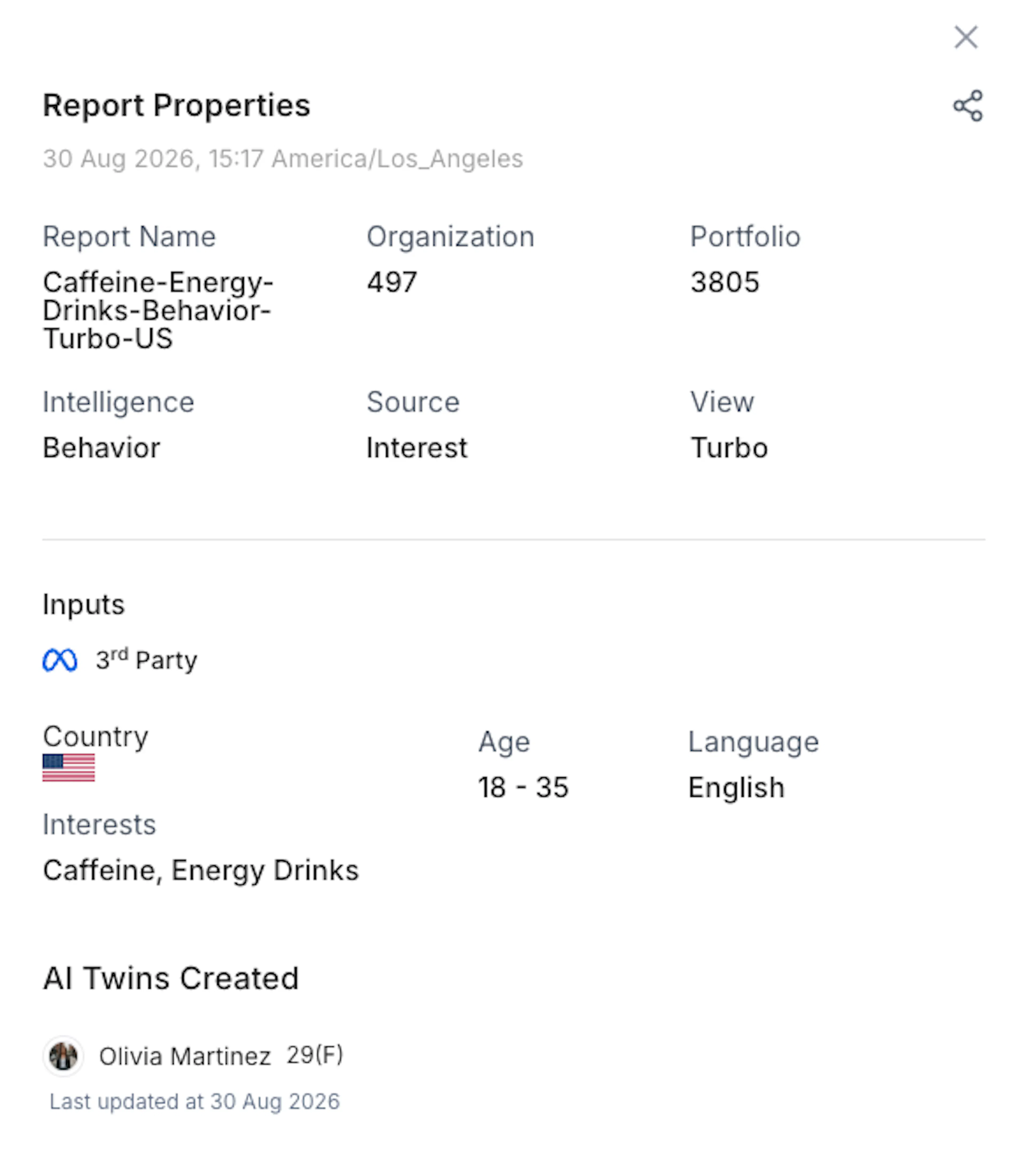
- Properties is universal. It opens the report's full methodology: report name, organization, portfolio, intelligence type, source, and view, along with the inputs behind it (the audience or third-party segment used, country, age, language, and interests) and, where relevant, which AI Twins were created from the report. Whenever a finding needs to be validated before it's acted on, this is where you check its pedigree.
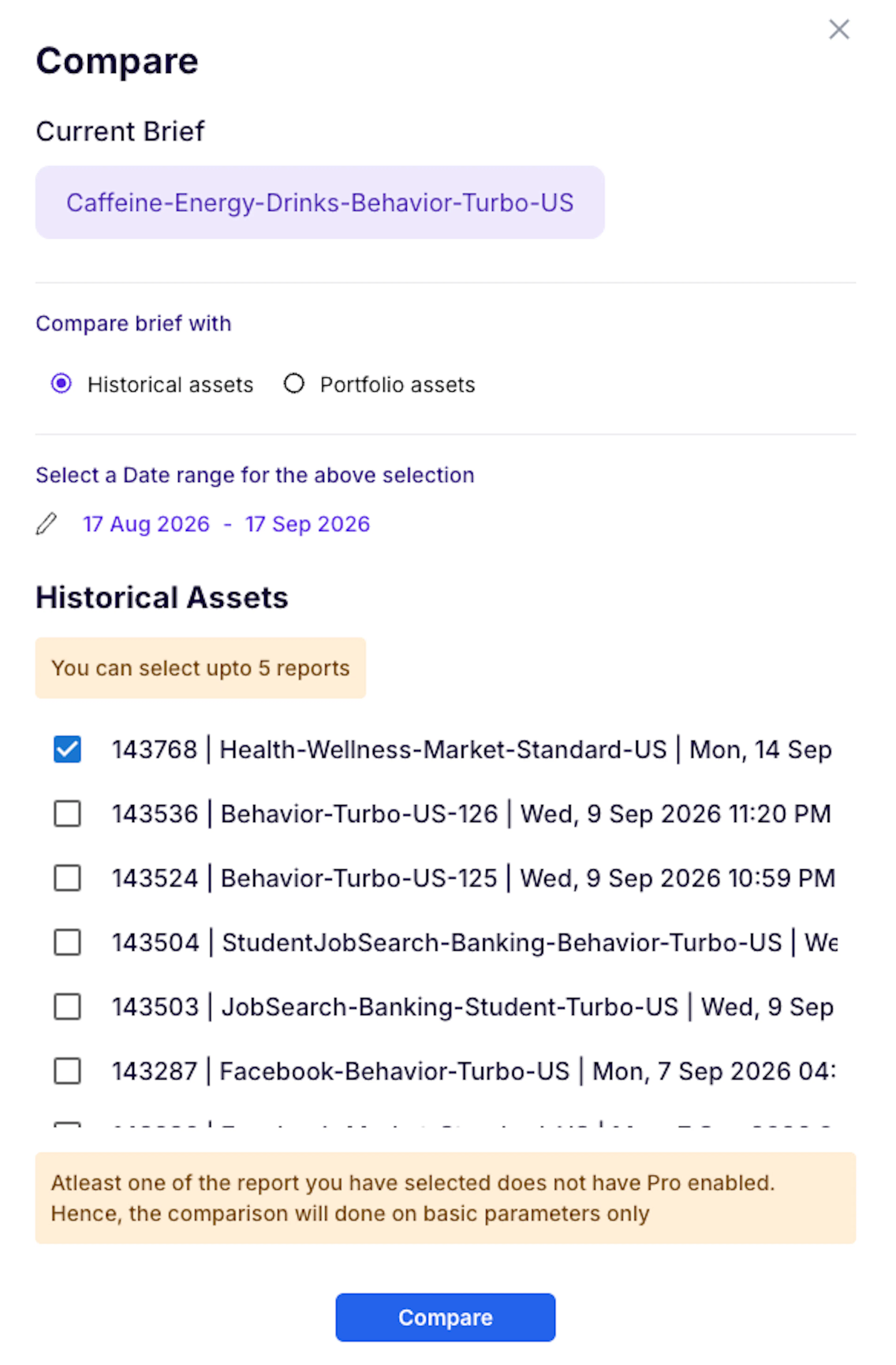
- Compare sets a report side by side with another, so a pattern that looks meaningful in isolation can be checked against a baseline.
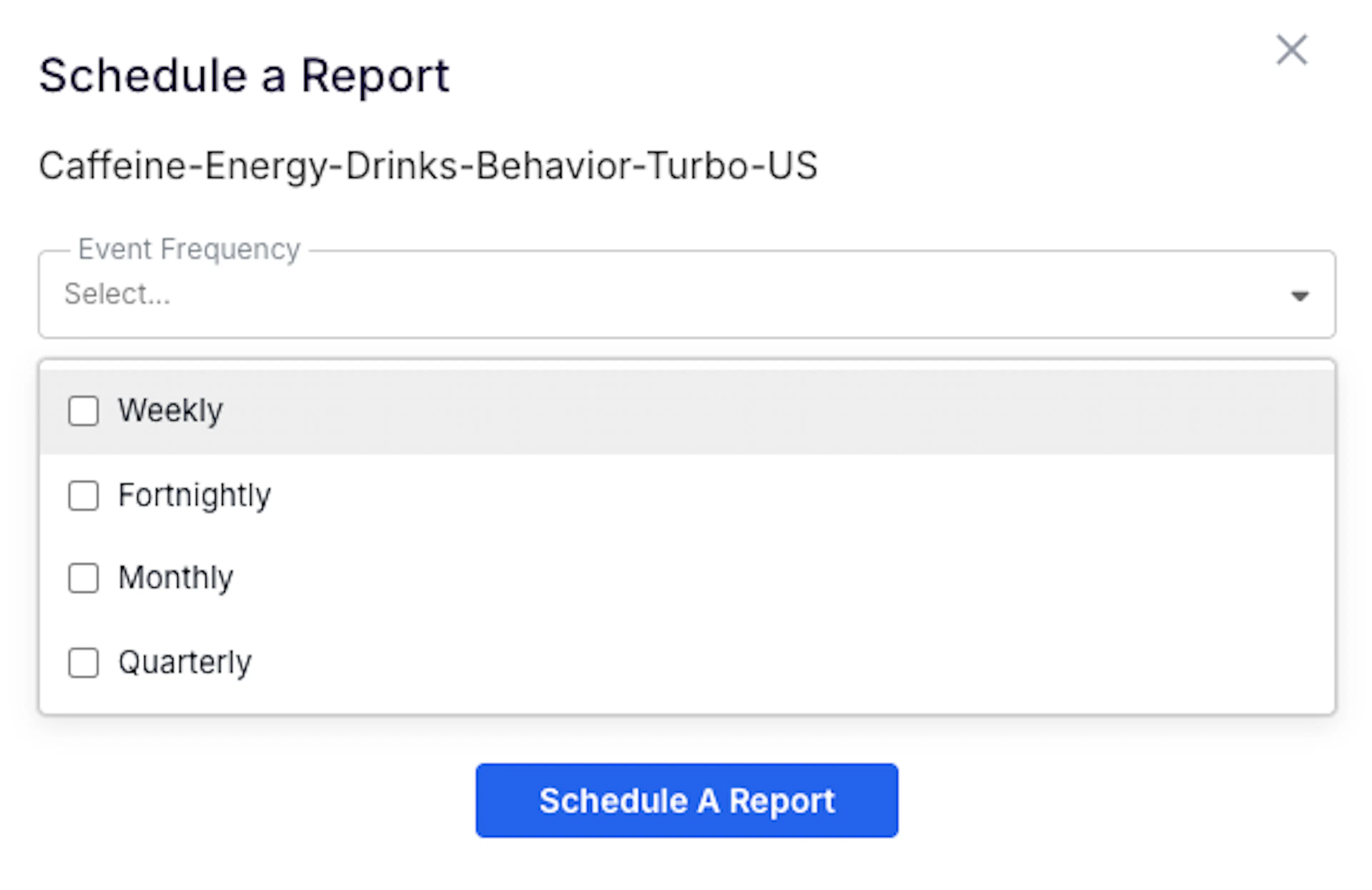
- Schedule Report automates a report on a recurring basis, useful for tracking a layer that is expected to shift over time, especially Intent and Mentions.
In This Section
We dive into each report type and their philosophies:
- A1. Behavior Insight: the long-term persona layer, covering Consumer and Professional audiences.
- A2. Intent Insight: the short-term search demand layer.
- A3. Mentions Insight: the public sentiment and discourse layer.